MARKET TRENDS
Australia Stopped Waiting for Cars to Save Its Lithium
Australia is now the world's third-largest BESS market, and lithium demand is better for it
04 Nov 2025
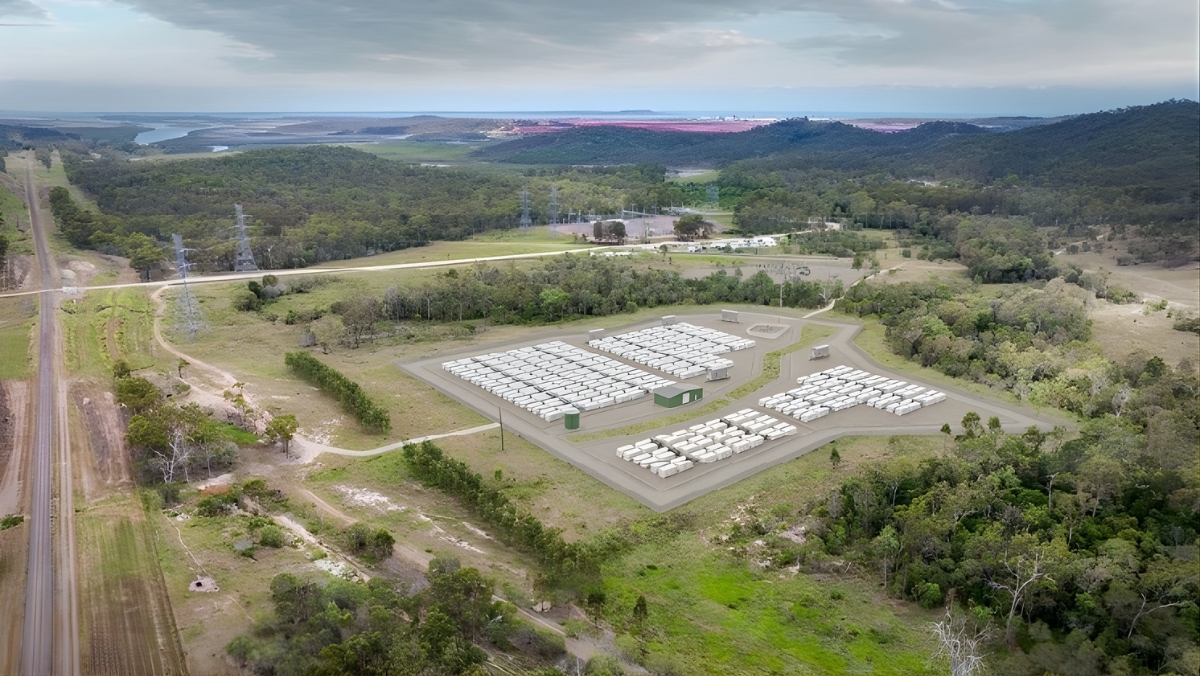
For a country that digs up more lithium than almost anywhere else, Australia has long been hostage to a single customer: the electric vehicle. That dependence cost it dearly when EV demand softened and spodumene prices collapsed from their 2022 peaks. The solution, it turns out, may have been sitting in Australia's own backyard.
In 2025, Australia overtook Britain to become the third-largest market for utility-scale battery energy storage systems (BESS), behind only China and the United States. It now holds more such capacity per head than any other nation, according to Rystad Energy. The numbers are striking. Over AUD 2.4 billion was committed to large-scale battery projects in the first quarter of 2025 alone, the second-highest quarterly total on record, per the Clean Energy Council. The national development pipeline expanded from 109 gigawatts in mid-2024 to 154 gigawatts a year later. In August 2025, Akaysha Energy commissioned the first stage of the Waratah Super Battery in New South Wales, an 850-megawatt facility described as the largest of its kind in the world.
The knock-on effects for lithium have been considerable. BESS demand rose roughly 75% year-on-year in 2025 and is now on course to represent around a fifth of total global battery demand, according to analysts at Argonaut. Combined with supply discipline from producers who had shuttered costly capacity during the downturn, this helped drive spodumene concentrate prices from below $600 per tonne in mid-2025 to above $2,000 per tonne by early 2026. Globally, BESS installations topped 300 gigawatt-hours last year, a 51% increase, according to Benchmark Mineral Intelligence.
The structural case is persuasive. Grid operators and utilities are treating battery storage as core infrastructure rather than a supplementary service, broadening the lithium demand base in ways that were not foreseeable even five years ago. Australia's miners now face something unfamiliar: a second, domestically anchored source of demand growing independently of car sales in Shenzhen or Stuttgart.
Whether it holds is another matter. Supply tends to follow price, and a sustained rally above $2,000 per tonne will tempt mothballed producers back into the market. The lithium sector has been here before, mistaking a cyclical reprieve for a structural cure.
SUBSCRIBE FOR UPDATES
By submitting, you agree to receive email communications from the event organizers, including upcoming promotions and discounted tickets, new, and access to related events.