REGULATORY
Tax Cuts, Stockpiles, and a Long Game on Lithium
Australia pairs a ten percent refining tax offset with a $1.2 billion strategic reserve to drive domestic lithium processing
13 Jan 2026
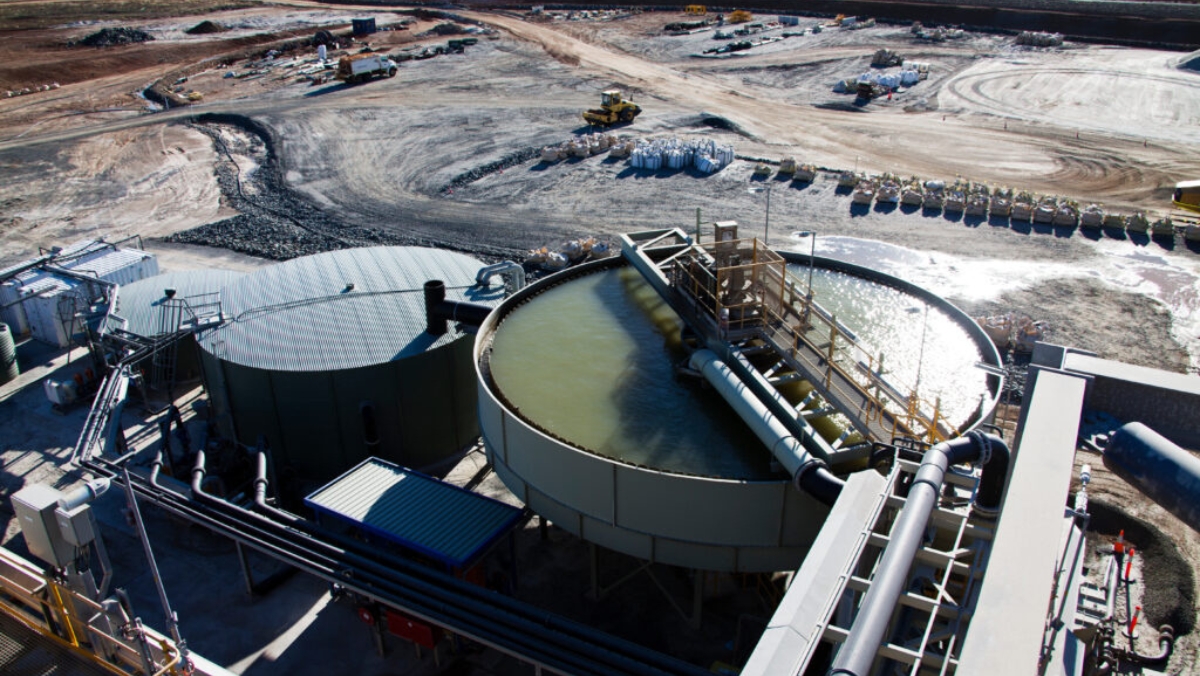
Australia has enacted what officials and analysts describe as the most consequential domestic policy intervention in its critical minerals sector in a generation, combining a legislated tax incentive with a new strategic reserve designed to shift the country's lithium industry from raw ore exporter toward onshore chemical processing.
The centerpiece of the overhaul is the Critical Minerals Production Tax Incentive, legislated under the Future Made in Australia Act, which received Royal Assent in February 2025. The incentive offers eligible processors a 10 percent refundable tax offset against Australian processing and refining costs, running from the 2027-28 financial year through 2039-40, available for up to ten years per qualifying project. To qualify, facilities must carry out substantial chemical transformation of a feedstock, producing outputs such as lithium hydroxide or refined carbonate rather than raw spodumene concentrate. Treasury estimates the policy will support more than 2.5 million tonnes of refined critical mineral output over its lifespan, with cumulative production potentially reaching 10 million tonnes by 2039-40.
A second pillar, announced in January 2026, is a 1.2 billion Australian dollar Critical Minerals Strategic Reserve. The mechanism is designed to secure domestic production rights and on-sell those rights to allied partners during supply disruptions. Of the total allocation, 1 billion Australian dollars will come from an expanded 5 billion dollar Critical Minerals Facility, with a further 185 million dollars earmarked for selective stockpiling and implementation costs. Initial minerals covered include antimony, gallium, and rare earth elements; lithium is flagged as a priority candidate as the reserve scales toward full operational readiness in the second half of 2026.
The two instruments serve distinct but complementary purposes. The tax incentive is intended to build sovereign refining capacity by improving the long-term commercial case for processing investment; the reserve is a market intervention mechanism that provides supply security during disruption events.
Yet the structural challenge both instruments are meant to address has proved persistent. As analysts at the law firm Allens have noted, the cost gap between Australian processors and their Chinese counterparts cannot be closed by market forces alone. Whether sustained fiscal commitment will prove sufficient to bridge that divide, or whether the pace of policy implementation will keep step with rapidly shifting global supply chains, remains to be seen.
SUBSCRIBE FOR UPDATES
By submitting, you agree to receive email communications from the event organizers, including upcoming promotions and discounted tickets, new, and access to related events.