PARTNERSHIPS
Australia's Lithium Just Got a Direct Line to Europe
An EU-Australia trade deal scraps tariffs on lithium hydroxide, giving Europe a direct supply route outside China
26 Mar 2026
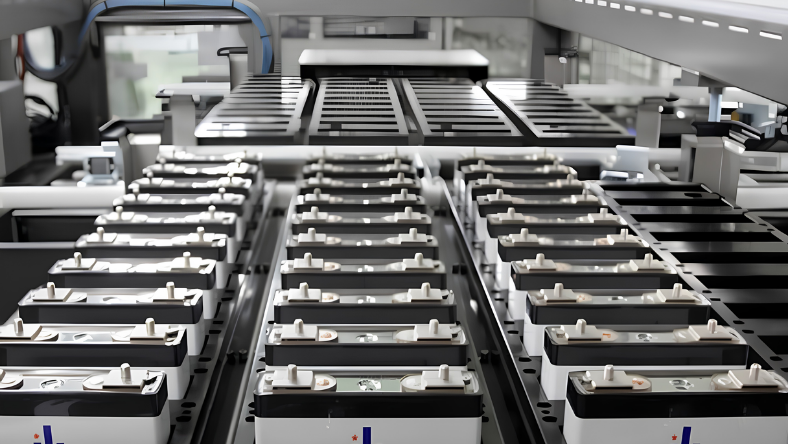
Eight years of negotiation ended on March 24, 2026, when Australia and the European Union signed a sweeping free trade agreement eliminating tariffs on nearly all goods moving between the two economies. For the lithium sector, the payoff is concrete: zero tariffs on critical minerals and lithium hydroxide, the battery-grade refined product that commands a premium over raw spodumene and that European manufacturers have been desperately sourcing from outside China.
The minerals dimension dominated the deal's final stretch. European Commission President Ursula von der Leyen traveled to Canberra for the signing alongside Trade Commissioner Maros Sefcovic, announcing four joint production projects covering rare earths, lithium, and tungsten. Australia's Austrade confirmed that all tariffs on energy and resource products, including hydrogen carriers, will be fully eliminated. The deal also clears duties on environmental goods, among them solar panel components and lithium batteries, creating an integrated clean energy trade corridor between the two economies.
For European battery manufacturers and automakers racing to build out cell production, the agreement offers more than a tariff cut. It provides a rules-based framework for long-term supply partnerships with Australian producers, rather than reliance on volatile spot markets. The EU is the world's largest consumer of critical raw materials relative to its domestic capacity, and reducing dependence on Chinese-controlled processing networks is explicit policy. Australia, which accounts for close to half of global lithium ore output, is the obvious counterpart.
The Minerals Council of Australia noted that tariff elimination strengthens competitiveness and cements open trade with the EU, Australia's second-largest source of foreign investment. Analysts expect European capital flows into Australian mining, downstream processing, and critical minerals projects to increase materially once the deal enters force. That ratification process could take up to two years as the agreement works through EU member states, but the commercial and investment signals are already moving.
SUBSCRIBE FOR UPDATES
By submitting, you agree to receive email communications from the event organizers, including upcoming promotions and discounted tickets, new, and access to related events.