INNOVATION
Kiln It Softly: The Electric Upgrade Lithium Needed
The world's first electric spodumene calciner is built and nearing commissioning, promising to cut lithium refining emissions by over 80 percent
28 Feb 2026
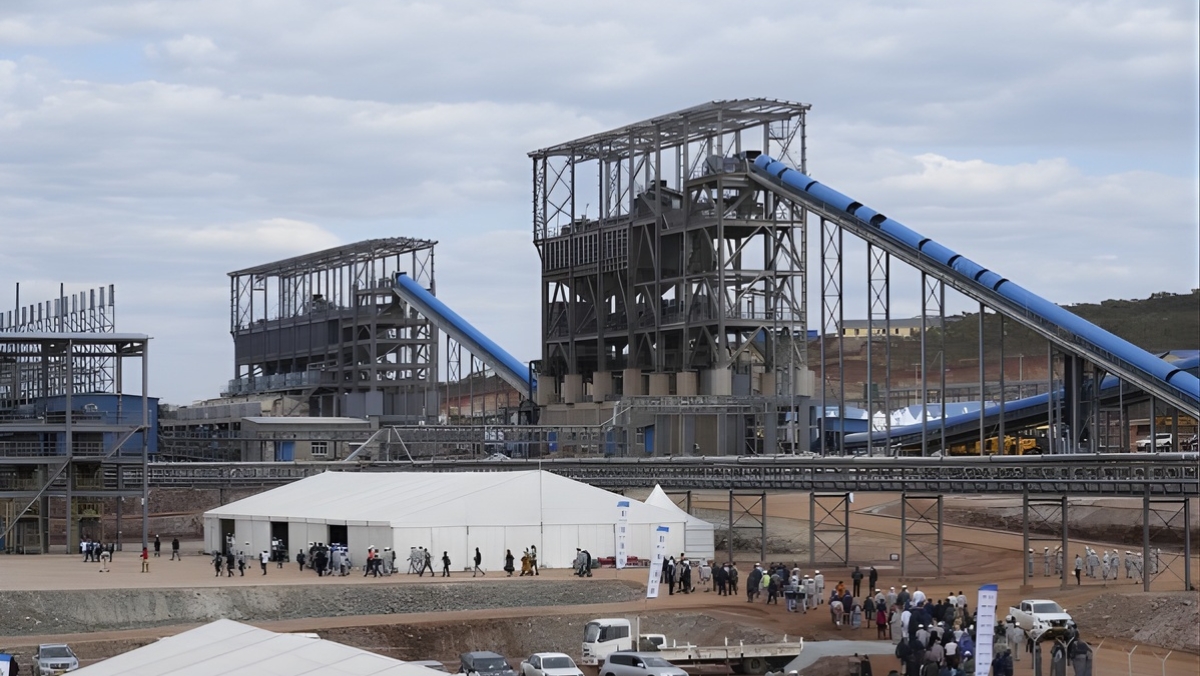
Electric kiln nears test in lithium's carbon push
An electric calciner in Western Australia could transform battery supply chains, with licensing rights extending globally. Construction is complete on what is claimed to be the world's first electric spodumene calciner, built at the Pilgangoora lithium operation in Western Australia. The project, a joint venture between Pilbara Minerals and Calix, replaces coal-fired rotary kilns with an electrically powered system designed to run on renewable energy. Commissioning is under way following a construction milestone reached in February 2026.
Spodumene calcination, a heat-intensive process that converts lithium ore into a usable intermediate form, has long been one of the most carbon-heavy steps in battery material production. Life cycle assessments indicate the new process can cut emissions from that step by more than 80 per cent against coal-fired alternatives.
The commercial logic is direct. European battery manufacturers and automakers now face binding rules on supply chain carbon reporting, and upstream suppliers without low-emissions credentials face pricing pressure and restricted market access in key Western markets.
The plant is engineered to produce more than 3,000 tonnes per year of lithium phosphate salt, a higher-value intermediate than conventional output, while also reducing waste volumes requiring off-site disposal.
In February 2026, Pilbara Minerals acquired full ownership of the demonstration plant from Calix for A$11.4 million. Calix retains the intellectual property and continues providing technical support. Both parties retain independent rights to license the technology to third parties across the global primary lithium market, a provision that extends the project's commercial reach well beyond a single site. Hard-rock calcination is a core processing step across emerging lithium operations in the United States, Canada, and Europe.
The project has drawn A$35 million in combined government funding: A$20 million from the Australian federal government and A$15 million from Western Australia, reflecting a judgment that the technology's relevance extends across the industry rather than to a single operator.
Whether commissioning confirms the economics at commercial scale remains the open question. The answer will determine whether the electric calciner becomes a replicable standard or remains a well-funded proof of concept.
SUBSCRIBE FOR UPDATES
By submitting, you agree to receive email communications from the event organizers, including upcoming promotions and discounted tickets, new, and access to related events.